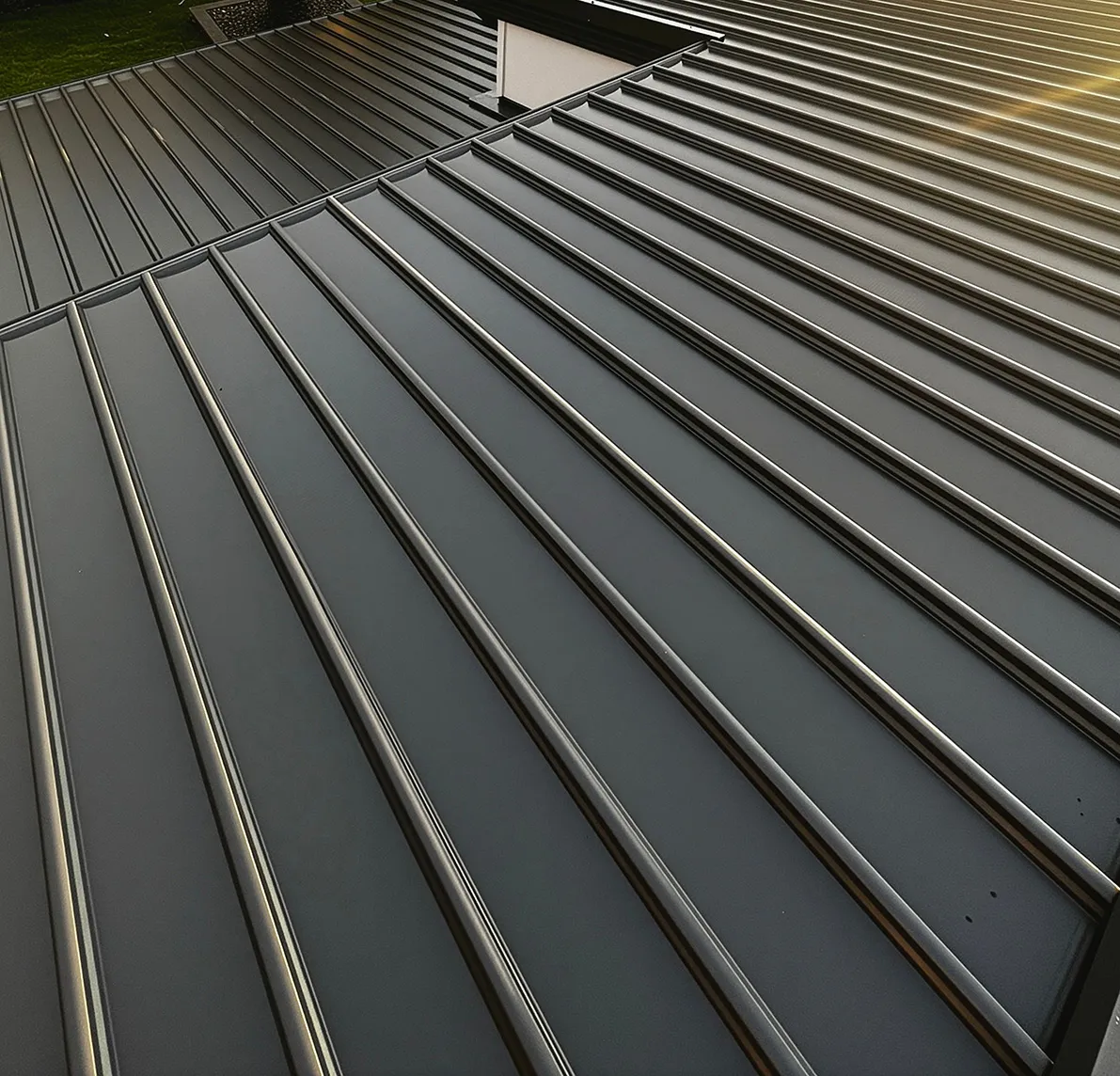
Roofing solutions
Single-ply membrane roofing
Flexible, lightweight and long-lasting, with strong resistance to weather, UV and other external forces.
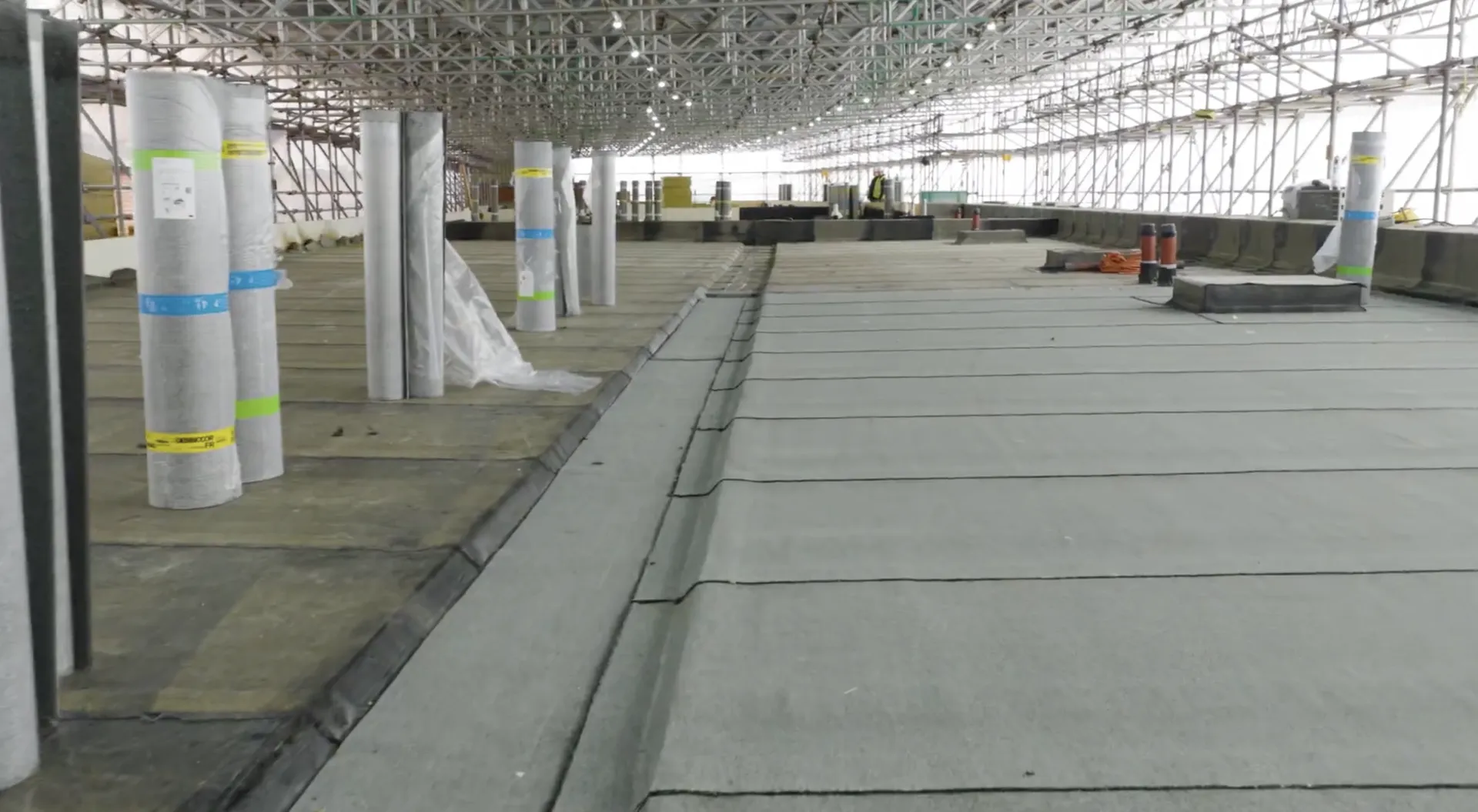
Single-ply membranes are mechanically fastened, adhered or ballasted over the insulation layer and hot-air welded at the laps to form a continuous waterproof skin. The low weight makes them well suited to buildings where the structure cannot take a heavier build-up.
Installation is fast and predictable, which matters on large industrial and distribution roofs where the exposed area at any one time needs to be controlled against the weather.
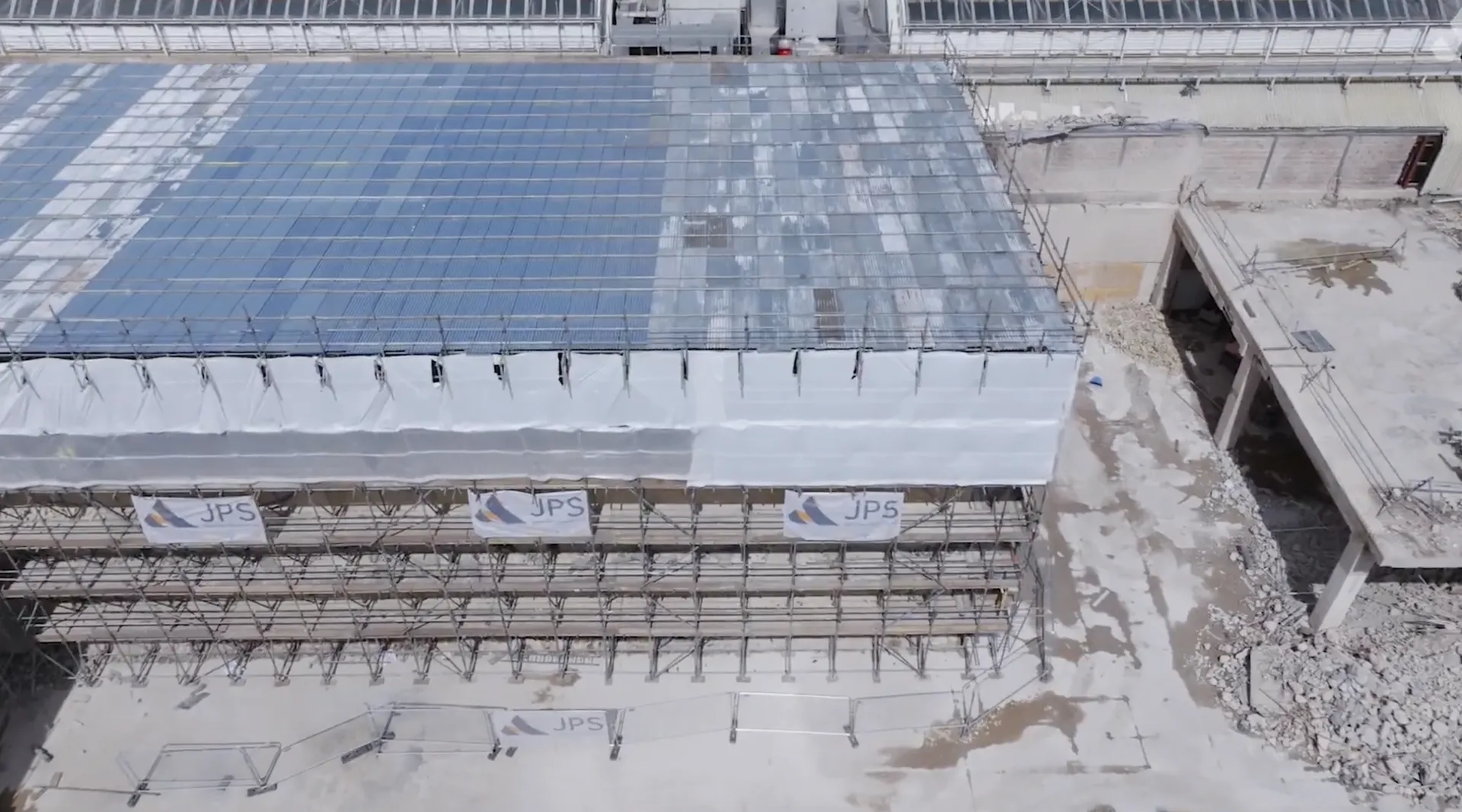
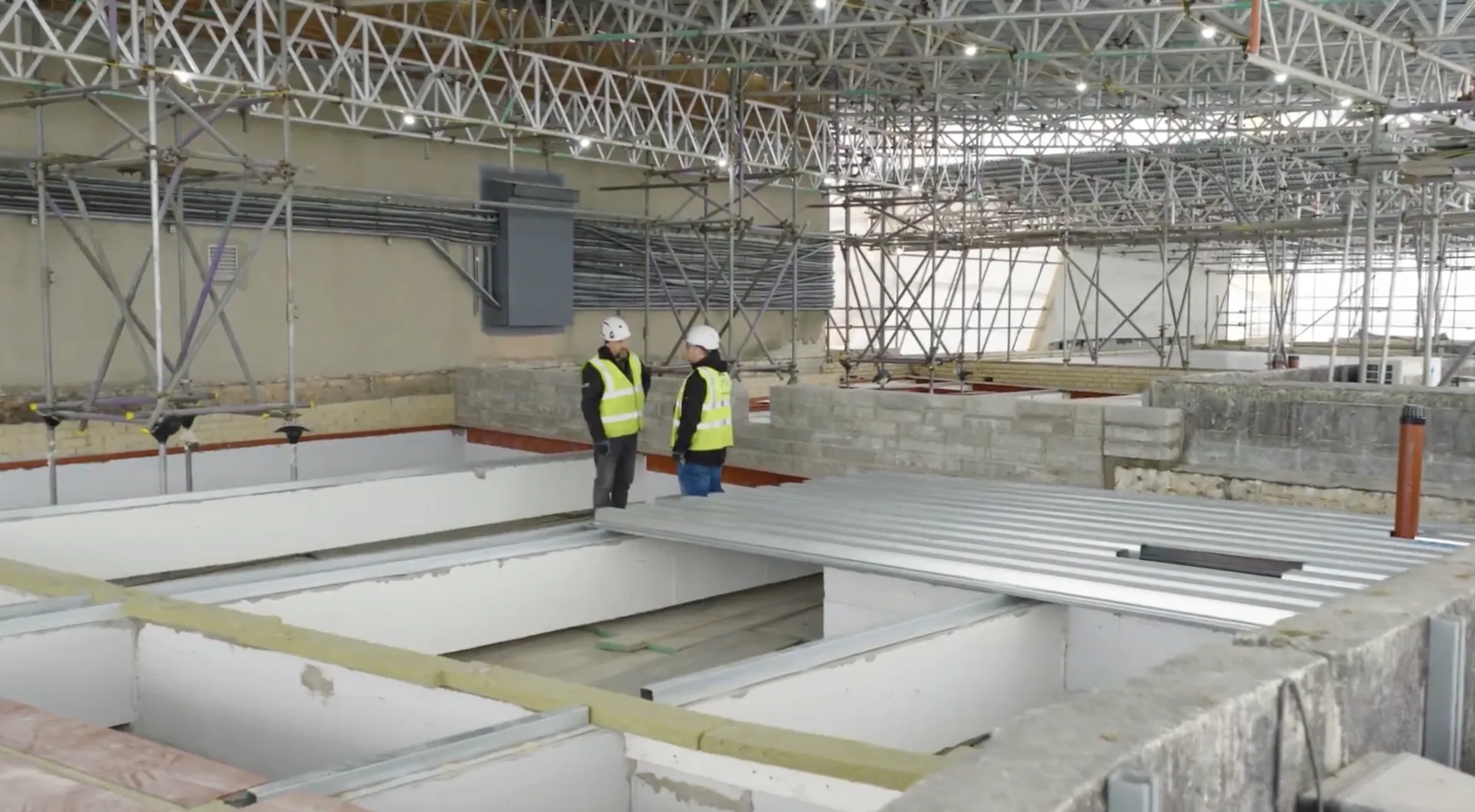
The build-up, top to bottom.
What each layer is there to do. The exact products are specified against the building, not before it.
Single-ply membrane
One continuous waterproof skin, welded at the laps rather than overlapped and bonded
Separation or carrier layer
Where the membrane and insulation need keeping apart
Insulation
Mechanically fixed through to the deck, or bonded, to suit the wind load
Vapour control layer
Sealed at every penetration and upstand
Deck
Metal, concrete or timber - the system adapts its fixing to what is there
Where this is the right system.
- Large industrial and distribution roofs
- New build where installation speed drives the programme
- Structures with limited additional load capacity
- Roofs intended to carry photovoltaic arrays
How a roof is delivered.
The same four steps for every system, because the system is the answer to the survey, not the other way round.
Survey what is there
Core samples, moisture readings, a look at the deck and the drainage. A specification written without a survey is a guess with a guarantee attached.
Specify against the building
The system is chosen for the structure, the use below it and the constraints of getting it installed - not from a preferred supplier list. We tell you what we would specify and why.
Install in phases if the building needs it
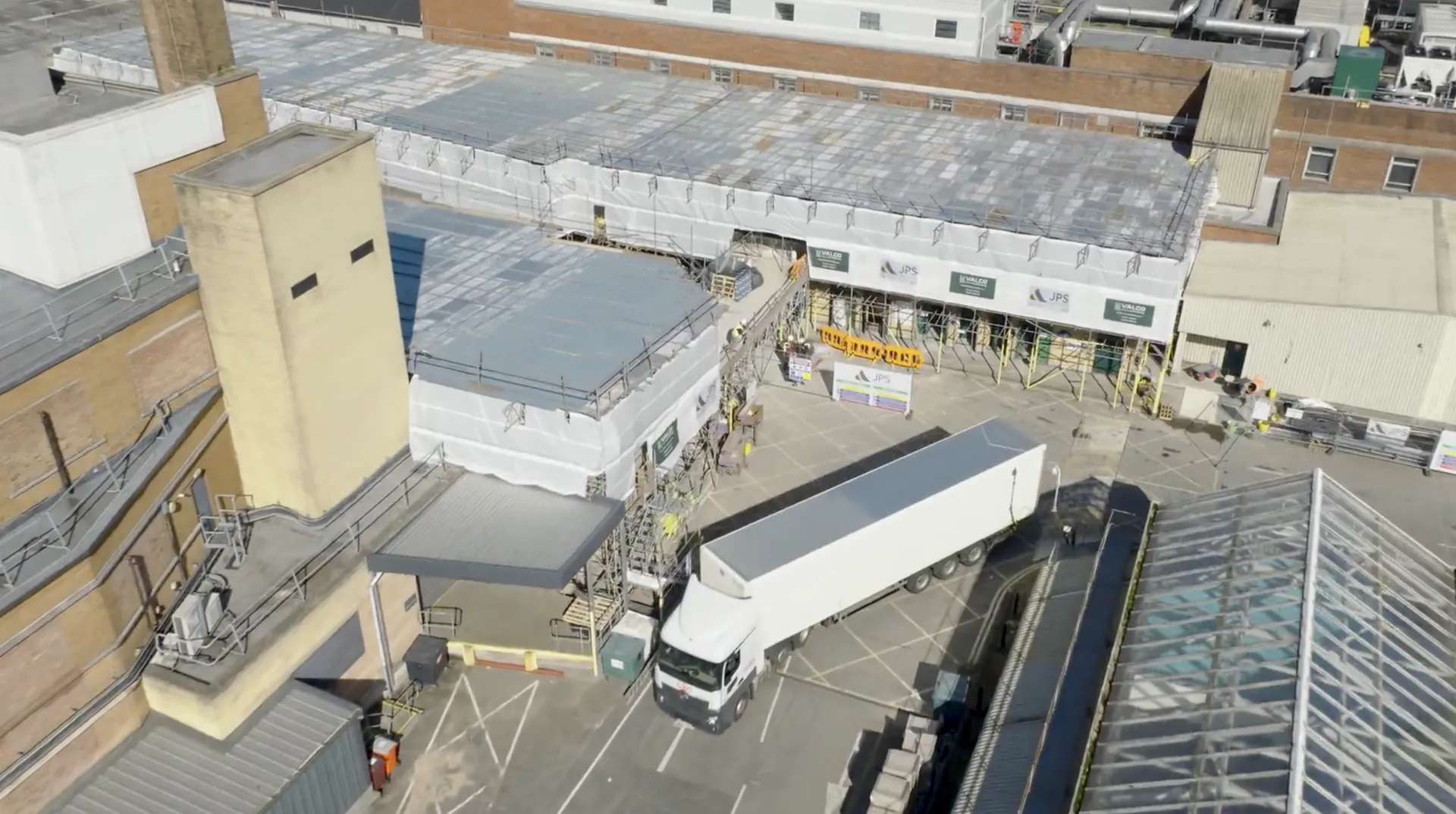
Temporary roofs, weather-tight at every stage, and a programme that keeps the floors below trading. At St David's the tenants never closed.
Hand over the guarantee position
Accessories, penetrations and finishes installed as part of the system rather than added afterwards, so the manufacturer's guarantee is intact on the day it starts.
Roofing projects.
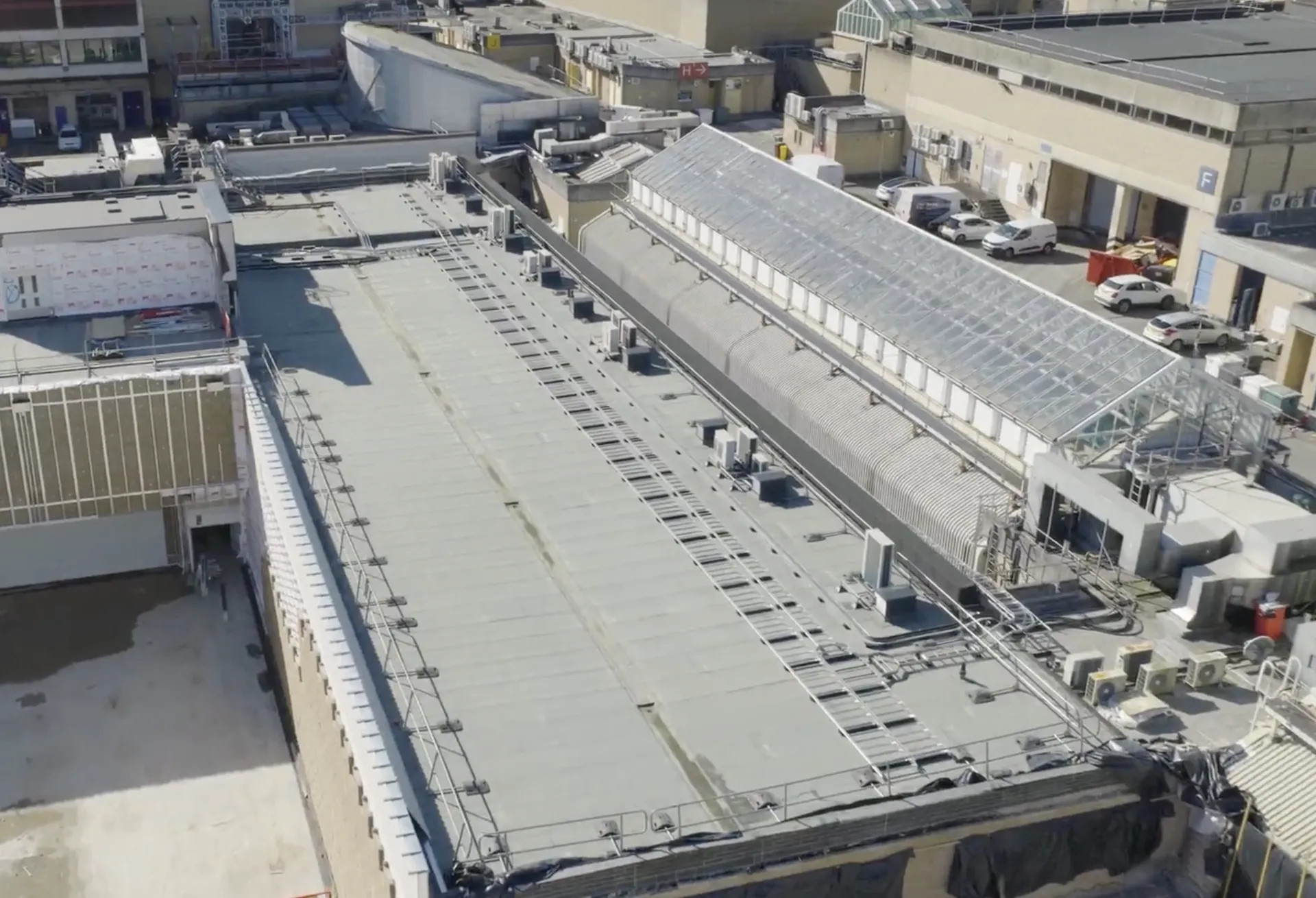
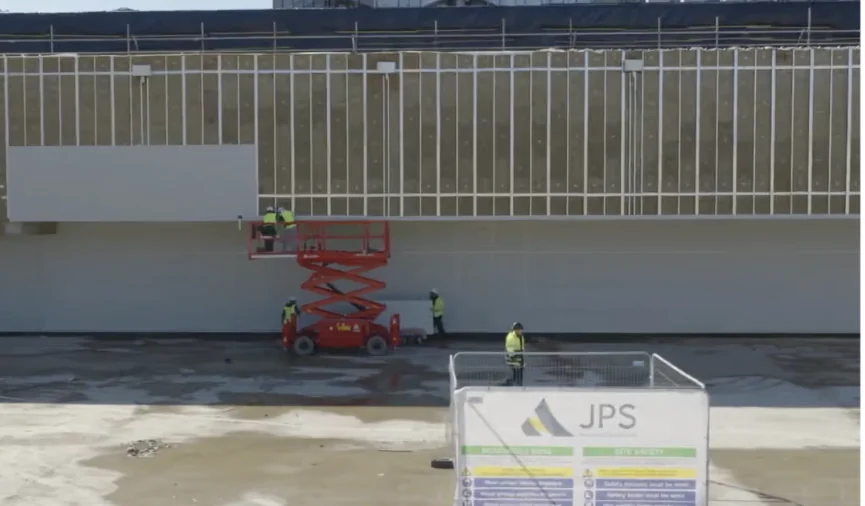
Structural roof replacement and high-performance waterproofing, delivered above buildings that stayed open.
Other roofing systems.
Built-up felt systems
Durable multi-layer systems for flat roofs, offering a high-performance, weather-resistant solution at any scale.
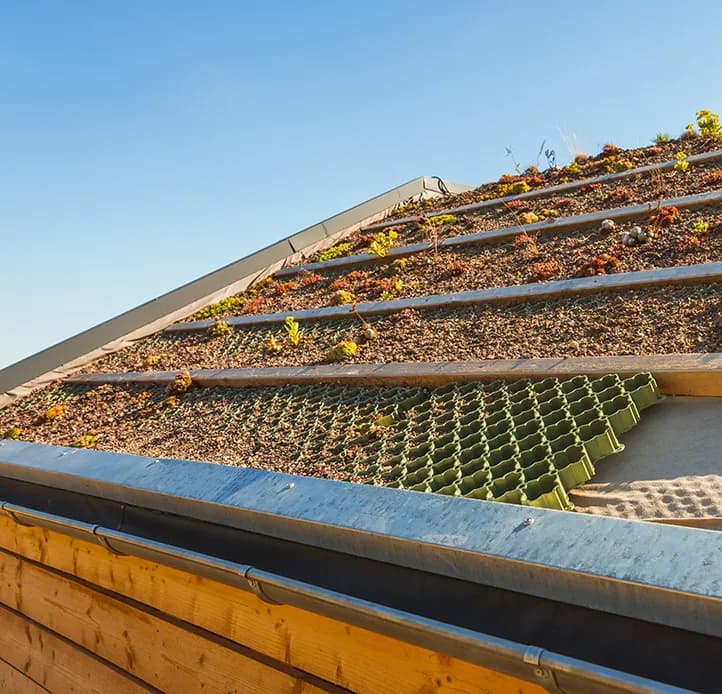
Green and bio-diverse roofing
Roof systems that support biodiversity and improve energy efficiency, turning dead roof area into habitat.
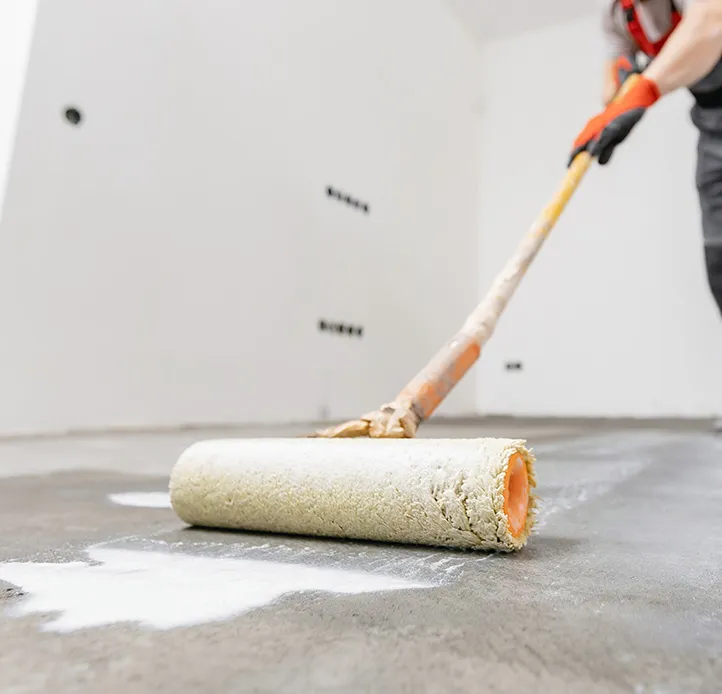
Liquid waterproofing
A seamless, cold-applied waterproof layer for intricate roof shapes, penetrations and complex detailing.
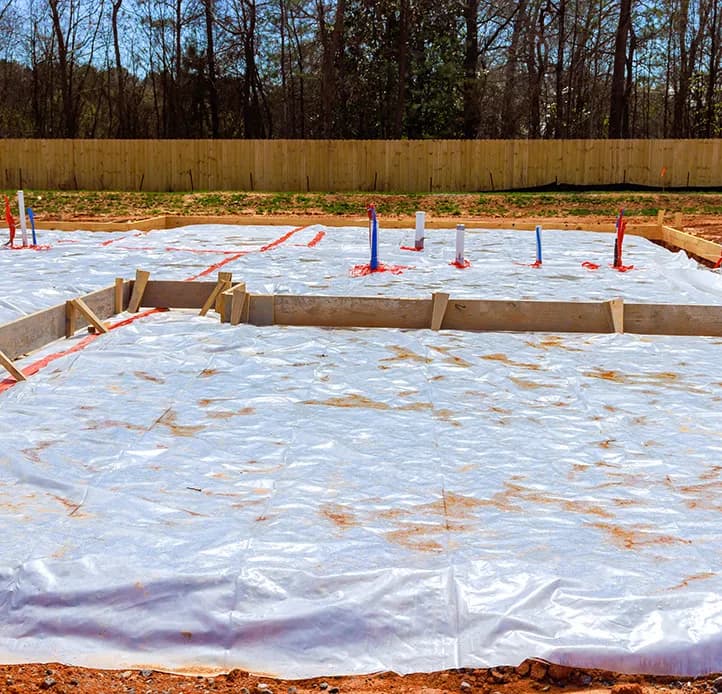
Structural waterproofing
Protection for commercial and residential structures against water ingress and moisture damage below ground.
Need a roof specified as well as installed?
Send us the survey, the building use and the constraints. We will come back with the system we would specify and why, rather than with whatever we happen to buy cheapest.